The 5 Lean Principles
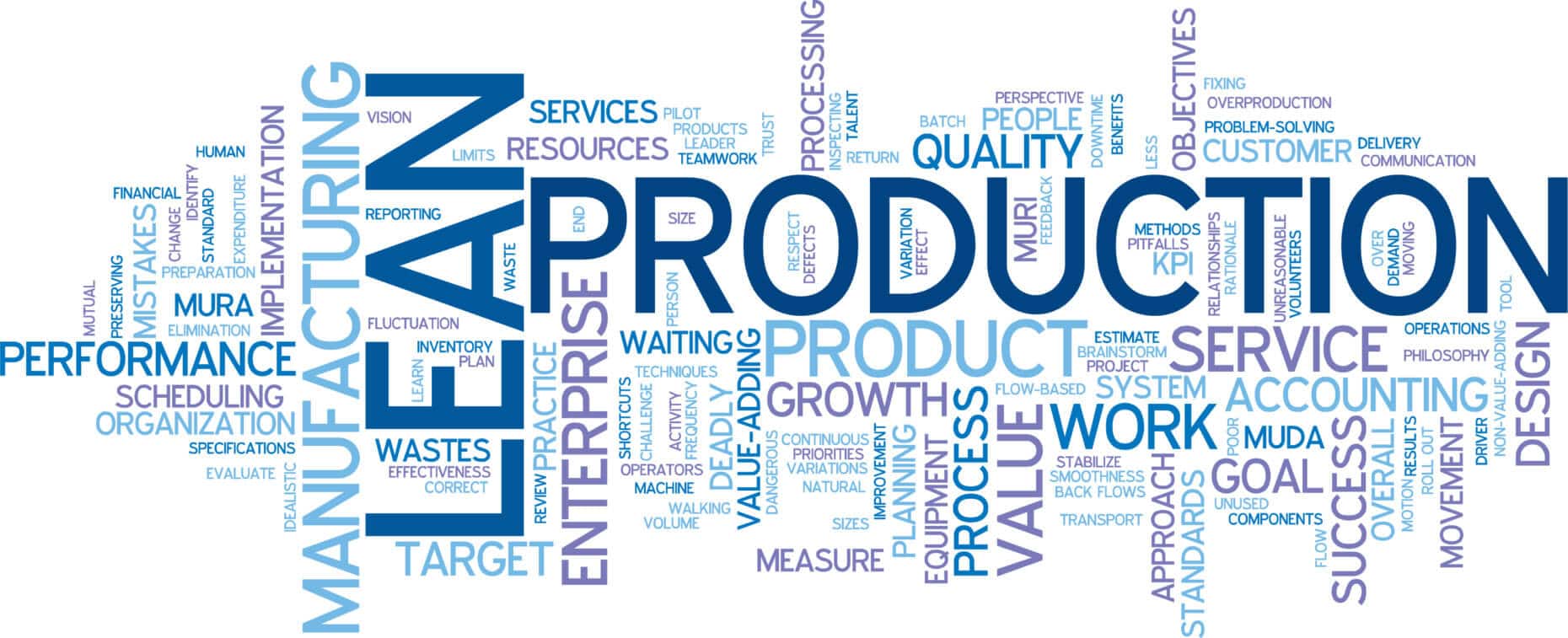
The ideas of the Lean principles and lean management were already born in Japan after World War II with the guiding idea of optimally using the scarce resources available at the time. In the early 1990s, the automotive industry began searching for ways to improve production quality and efficiency. Toyota in particular is considered a pioneer here. The principles of Lean Management (also called Lean Thinking or in industrial contexts Lean Production) are intended to create value without causing waste of time, resources, and materials. This requires optimally aligning the necessary activities and required materials with each other.
What the 5 Lean Principles mean
This article explains the 5 lean management principles, which form the guidelines for reviewing the existing system.
1. Define value from the customer's perspective
The first of the Lean principles states that you should carefully examine what is to be produced and tailor products precisely to the customer's needs. The customer should receive their individual product in the best possible quality at an appropriate price, at the right time and at the right place for them.
2. Identify the value stream
The next of the Lean principles foresees examining in detail all processes necessary to deliver the product from raw material to the customer. The value stream describes all activities required to produce the product. All other, unnecessary activities must be eliminated from the process to avoid waste, optimize alignment with customer needs, and use resources efficiently.
3. Establish flow
The flow principle describes designing production as a continuous and smoothed process. Intermediate storage and buffer stocks lead to costs. The prerequisite for flexible, order-driven, and efficient production control is the elimination of bottlenecks, harmonization of production, and aligning it with the value stream.
4. Implement pull
Machine utilization is not based on maximum capacity; production only takes place when the customer orders or inventories reach a minimum. In the fourth of the five Lean principles, also called the pull principle, products are pulled through production from the customer's perspective instead of being pushed into production by planning directives, to achieve 100 percent delivery reliability. On the one hand, storage of semi-finished and finished goods and the associated searching and transport effort are eliminated; on the other hand, production can also be relieved in terms of personnel.
5. Strive for perfection
The final step within the five Lean principles describes the continuous pursuit of perfection, because according to the lean management concept, stagnation means regression. The continuous improvement process (CIP) should continuously encourage employees to question processes and contribute ideas so as not to fall back into old behaviors and bad habits.